
Understanding Job Roles in Airline Operations
The smooth functioning of an airline involves a myriad of job roles, each contributing to the efficient and safe operation of flights. From the cockpit to the ground crew, understanding the various responsibilities within airline operations is essential for ensuring seamless travel experiences for passengers. In this article, we’ll explore some of the key job roles in airline operations and their contributions to the industry.
Pilots
Pilots are perhaps the most visible and crucial component of airline operations. Responsible for safely flying aircraft from one destination to another, pilots undergo rigorous training and certification processes. They must possess excellent decision-making skills, situational awareness, and the ability to navigate complex airspace. Pilots are typically divided into captains (or commanders) and first officers (or co-pilots), with captains assuming overall responsibility for the flight.
Flight Attendants
Flight attendants play a vital role in ensuring the comfort, safety, and well-being of passengers during flights. Beyond serving meals and beverages, flight attendants are trained in emergency procedures, first aid, and conflict resolution. They serve as the primary point of contact for passengers, addressing their needs and concerns while adhering to airline policies and regulations.
Aircraft Maintenance Technicians
Aircraft maintenance technicians are responsible for inspecting, repairing, and maintaining aircraft to ensure they remain airworthy and safe to operate. These highly skilled professionals perform routine inspections, troubleshoot mechanical issues, and conduct scheduled maintenance tasks according to regulatory requirements. Their meticulous attention to detail and adherence to safety protocols are critical for preventing accidents and ensuring aircraft reliability.
Air Traffic Controllers
Air traffic controllers work behind the scenes to manage the flow of air traffic within designated airspace and airport terminals. Their primary responsibilities include coordinating aircraft arrivals and departures, maintaining safe distances between aircraft, and providing pilots with real-time guidance and instructions. Air traffic controllers rely on sophisticated radar and communication systems to monitor and direct aircraft, ensuring efficient and orderly operations.
Ground Crew
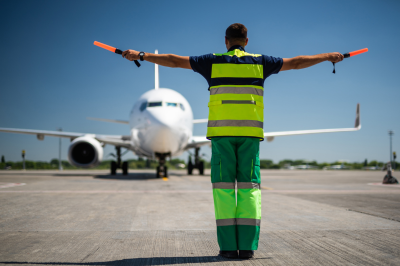
The ground crew encompasses a diverse range of roles, including ramp agents, baggage handlers, and aircraft cleaners. These individuals are responsible for various tasks, such as loading and unloading baggage, refueling aircraft, and performing safety inspections before departure. Ground crew members work collaboratively to ensure aircraft are prepared for departure and arrival, contributing to on-time performance and operational efficiency.
The complexity of airline operations necessitates a coordinated effort among diverse teams and job roles. From the flight deck to the tarmac, each individual plays a crucial part in delivering safe, reliable, and comfortable air travel experiences. By understanding the responsibilities and contributions of different job roles within airline operations, passengers can gain a deeper appreciation for the intricacies of air travel and the professionals who make it possible.