
Exploring Career Opportunities in Aerospace Engineering
Aerospace engineering is a dynamic field that offers a wide range of exciting career opportunities for individuals passionate about aviation, space exploration, and technological innovation. In this article, we’ll explore the diverse career paths available in aerospace engineering and the skills required to succeed in this rewarding field.
Aircraft Design and Development
Aerospace engineers involved in aircraft design and development are responsible for creating aircraft that are safe, efficient, and technologically advanced. This career path involves designing various components of an aircraft, such as wings, fuselage, and propulsion systems, using advanced computer-aided design (CAD) software and simulation tools. Aerospace engineers in this field work closely with aerodynamicists, structural engineers, and other specialists to ensure that aircraft meet performance, safety, and regulatory requirements.
Spacecraft Design and Exploration
For individuals fascinated by space exploration, a career in spacecraft design and exploration offers a thrilling opportunity to work on projects that push the boundaries of human knowledge and exploration. Aerospace engineers in this field are involved in designing spacecraft for missions to explore distant planets, study the cosmos, and conduct scientific research in space. They may work on projects such as satellite launches, planetary rovers, and manned space missions, collaborating with space agencies, research institutions, and private aerospace companies.
Aerospace Systems Engineering
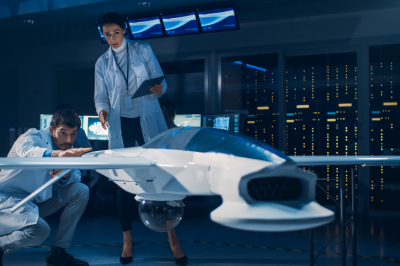
Aerospace systems engineers focus on the integration and optimization of complex aerospace systems, including aircraft, spacecraft, and unmanned aerial vehicles (UAVs). They are responsible for overseeing the entire lifecycle of aerospace systems, from conceptual design and development to testing, implementation, and maintenance. Aerospace systems engineers require strong analytical skills, project management expertise, and a deep understanding of aerospace technologies and systems integration principles.
Avionics and Control Systems
Avionics engineers specialize in the design, development, and implementation of aircraft electronics and control systems. They work on systems such as flight control systems, navigation systems, communication systems, and onboard sensors, ensuring that aircraft operate safely and efficiently in various operating conditions. Avionics engineers often collaborate with software engineers, electrical engineers, and aerospace technicians to integrate complex avionics systems into aircraft platforms.
Research and Development
Aerospace engineering offers numerous opportunities for research and development (R&D) in areas such as aerodynamics, propulsion, materials science, and space exploration. R&D engineers conduct experiments, simulations, and theoretical studies to advance aerospace technologies and address industry challenges. They may work in academic institutions, government research labs, or private aerospace companies, contributing to the advancement of knowledge and innovation in the field.
Whether you’re passionate about aircraft design, space exploration, or cutting-edge technology, a career in aerospace engineering offers a diverse range of opportunities to explore your interests and make a meaningful impact on the future of aviation and space exploration. By acquiring the necessary education, skills, and experience, aspiring aerospace engineers can embark on a rewarding career journey filled with innovation, discovery, and excitement.